Online Entertainment in Nigeria: Popular Platforms, Mobile Access, Payment Methods, Safety, Accounts, Responsible Use and Customer Support
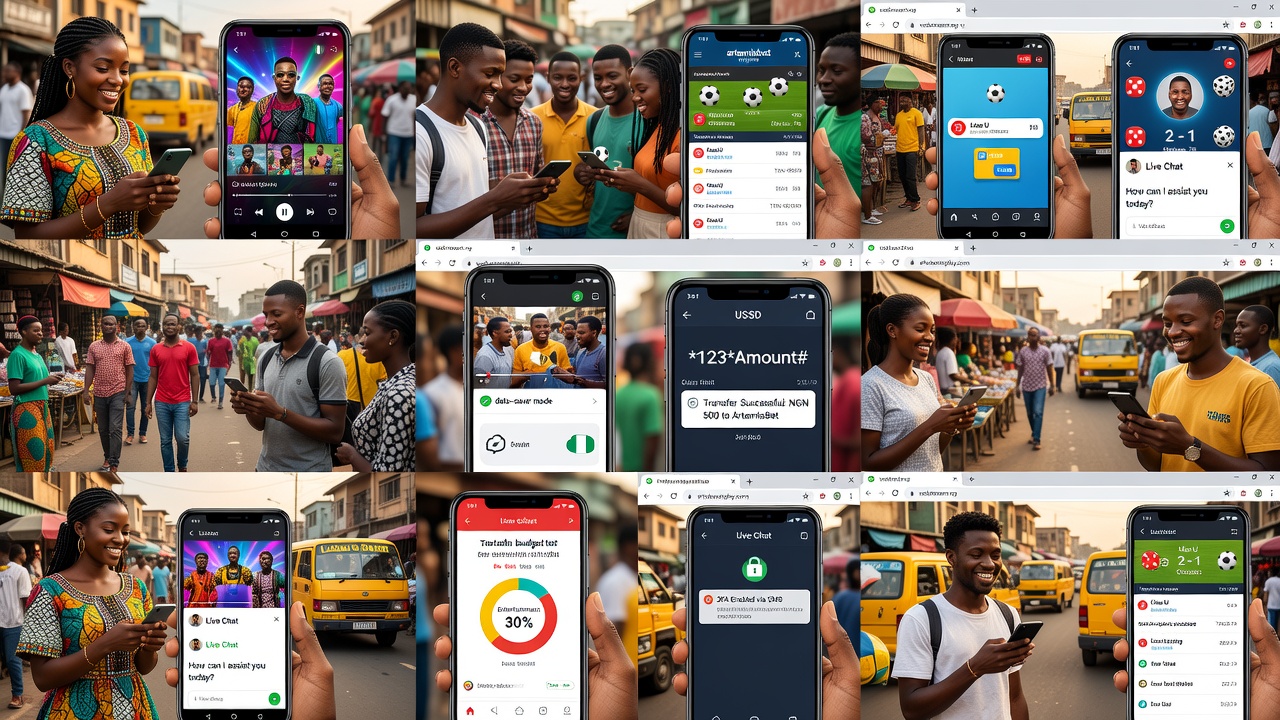
Nigeria's data consumption for streaming and interactive entertainment has grown faster than the country's fixed broadband infrastructure, which tells you something important: this is a mobile-first entertainment market shaped by smartphones, not desktops. Young Nigerians in Lagos, Abuja, Port Harcourt, and Ibadan spend their free hours on platforms that stream music, host video content, run casual games, or offer sports and betting features, often switching between three or four apps in a single evening. The scale of this shift has changed how content companies design their products for the Nigerian audience specifically.
What makes the Nigerian case distinct is the combination of youthful demographics, rising smartphone penetration, and an appetite for platforms that respect local payment habits. A user in Enugu does not want the same checkout experience as someone in London, and providers who ignore this lose customers quickly. Platforms such as artemisbet nigeria have adapted their interfaces and payment flows around these realities, giving users localized options rather than forcing them into international norms. That local adaptation is precisely why some services grow while others stagnate despite similar content libraries.
This piece looks at the practical mechanics behind Nigeria's online entertainment landscape - what people actually use, how the platforms function technically, which payment channels dominate, and what a cautious, well-informed user should check before signing up. It also covers account creation, mobile accessibility, and the support channels that matter when something goes wrong.
Popular Online Entertainment Options in Nigeria
Streaming Video and Music Services
Video-on-demand and music streaming account for a large share of daily screen time among Nigerian internet users. International names dominate premium video streaming, but local music platforms and radio-style apps hold strong loyalty because they carry Afrobeats, highlife, and gospel catalogs that global competitors often underserve. Music streaming in particular benefits from low data costs relative to video, making it the more accessible entry point for users on limited data plans.
Gaming and Casual Entertainment Apps
Mobile gaming has surged alongside cheaper Android devices. Casual games, trivia apps, and multiplayer titles with light data requirements attract users who want short entertainment bursts during commutes or breaks. What online entertainment options are popular in Nigeria often comes down to convenience: a game that loads in seconds on a mid-range phone will beat a graphically heavier title that drains data and battery.
Sports, Betting, and Interactive Platforms
Sports content, particularly football, drives enormous engagement, and this has pulled a wide range of interactive and prediction-based platforms into the mainstream. These services combine live scores, commentary, and wagering features in one interface, appealing to users who follow both domestic and European leagues closely.
- Video streaming services with local and international catalogs
- Music and podcast apps tailored to Nigerian genres
- Mobile games ranging from puzzle apps to competitive multiplayer titles
- Sports and interactive entertainment platforms with live features
How Online Entertainment Platforms Work in Nigeria
Technical Infrastructure and Data Delivery
Understanding how do online entertainment platforms work in Nigeria starts with infrastructure. Most services rely on content delivery networks with regional servers to reduce buffering, since latency to distant servers would make video and live features unusable on average mobile connections. Providers that invest in local or regional caching perform noticeably better during peak evening hours, when network congestion is highest.
Content Licensing and Regional Adaptation
Platforms operating in Nigeria typically license content for the West African region separately from global rights, which explains why catalogs differ from what users see in Europe or North America. This regional licensing also affects pricing, since providers calibrate subscription costs against local purchasing power rather than applying a flat global rate.
User Interface Adjustments for Local Audiences
Interfaces are frequently simplified for lower-end devices, with reduced animation and lighter app sizes. This is a direct response to the prevalence of budget smartphones across the Nigerian market, where storage and processing power remain constraints for a significant portion of users.
Best Leisure Activities Available Online
Social and Community-Based Entertainment
Group chats, live audio rooms, and community-driven content have become central to how Nigerians relax online. These formats let users participate rather than passively consume, which explains their staying power compared to one-directional content formats.
On-Demand Content Versus Live Experiences
What are the best leisure activities available online in Nigeria depends heavily on whether a user prefers scheduled flexibility or real-time engagement. On-demand video and music suit users with unpredictable schedules, while live sports commentary, live gaming streams, and real-time betting features suit those who want immediacy and shared excitement with others watching the same event.
Short-Form Content and Micro-Entertainment
Short video clips and quick-play games have grown because they fit into small pockets of free time. A five-minute break between tasks is enough for a short-form video session but not enough for a full film, and platforms have designed accordingly.
Mobile Access to Entertainment Platforms
Smartphone Penetration and App Design
Are online entertainment platforms available on mobile devices is almost a rhetorical question at this point in Nigeria, since mobile is the primary - often only - access point for most users. Developers build for Android first, given its dominant market share locally, and optimize apps to run smoothly on devices with 2GB or less of RAM.
Data Costs and Network Considerations
Data pricing directly shapes usage patterns. Many platforms offer lower-resolution streaming modes or data-saver settings specifically for Nigerian users, recognizing that a gigabyte of data represents a meaningful expense for a large segment of the population.
Browser-Based Access Versus Dedicated Apps
Some services skip the app entirely and run through mobile browsers, which avoids the storage burden of an installed app. This approach works well for platforms with lighter interactive features, though it can limit some advanced functionality compared to a dedicated application.
Payment Methods for Online Entertainment
Bank Transfers and Card Payments
What payment methods are commonly used for online entertainment in Nigeria starts with direct bank transfers and debit cards, both of which remain the backbone of online transactions in the country. Nigerian banks have integrated with most major platforms through payment gateways that support instant transfer confirmation.
Mobile Money and USSD Options
USSD codes remain popular among users without stable internet access at the moment of payment, since they work over basic mobile signal rather than requiring a data connection. Mobile money wallets have also expanded, offering another layer of convenience for users who prefer not to link a bank card directly to an entertainment account.
Digital Wallets and Prepaid Vouchers
Digital wallets and prepaid voucher systems give users a way to set spending limits in advance, which appeals to those managing entertainment budgets carefully. These methods also reduce exposure of sensitive banking details to third-party platforms.
- Direct bank transfers through mobile banking apps
- Debit and credit card payments via secure gateways
- USSD-based payments for users with limited data access
- Mobile money wallets and prepaid vouchers
Account Creation and Safety on Entertainment Platforms
Step-by-Step Account Registration
How can users create an account on an online entertainment platform generally follows a consistent pattern: provide an email or phone number, set a password, verify identity through an SMS or email code, and confirm basic personal details. Some platforms add an extra verification step for payment-linked accounts, requesting a government-issued ID to comply with regional regulations.
Recognizing Legitimate Platforms
How can users verify the safety of an entertainment website comes down to a few concrete checks: confirm the site uses HTTPS encryption, look for a licensing or registration number displayed clearly, and search for independent user reviews outside the platform's own marketing pages. A legitimate service will also have transparent terms of service and a visible privacy policy rather than vague or missing legal documentation.
Protecting Personal and Financial Data
How can users safely enjoy online entertainment services depends on habits as much as platform design. Using unique passwords, enabling two-factor authentication where available, and avoiding public Wi-Fi for payment transactions reduce exposure to common fraud tactics significantly.
Responsible Use of Online Entertainment
Setting Personal Limits and Budgets
What should users know about responsible online entertainment starts with self-imposed boundaries around both time and money. Platforms with interactive or wagering elements often include built-in tools for setting deposit limits or session reminders, and using these tools proactively prevents casual entertainment from becoming a financial strain.
Recognizing Signs of Overuse
Extended screen time, disrupted sleep patterns, or neglecting responsibilities in favor of continuous app use are practical warning signs. Responsible platforms encourage breaks and, in the case of betting-related services, provide self-exclusion options for users who need a structured pause.
Age Restrictions and Parental Controls
Age verification matters more for platforms with mature content or financial features. Parental control settings on both devices and individual apps give households a way to manage what younger family members can access without blocking entertainment entirely.
Customer Support for Online Entertainment Platforms
Live Chat and In-App Support
What customer support options are available for online entertainment platforms typically includes live chat as the fastest channel, built directly into the app or website for quick resolution of login issues, payment failures, or content access problems.
Email and Ticket-Based Assistance
For more complex issues, such as disputed transactions or account verification problems, email support with a ticket-tracking system allows for a documented back-and-forth that live chat cannot always accommodate.
Phone Support and Social Media Channels
Some platforms maintain dedicated phone lines for urgent account or payment concerns, while social media pages often serve as an unofficial but fast channel for public complaints, which pushes companies to respond quickly to protect their reputation.
Question?
Is it necessary to install an app to use most online entertainment platforms in Nigeria?
No, many platforms offer full browser access on mobile, though dedicated apps often run more smoothly and use less data over time due to caching and optimization.
Question?
What is the safest payment method for online entertainment in Nigeria?
Bank transfers and card payments through licensed gateways are generally the most secure, provided the platform displays valid encryption and licensing information; USSD payments are a strong alternative when data access is unreliable.
Question?
How quickly should customer support respond to a payment issue?
Reputable platforms typically resolve live chat payment queries within minutes to a few hours, while email-based disputes may take one to three business days depending on the complexity of the transaction.
Question?
Can users close or pause an account if they feel they are spending too much time or money on a platform?
Yes, most established platforms offer self-exclusion or account pause features, particularly those with interactive or wagering components, and users should locate these settings in their account preferences rather than deleting the app outright.
Question?
What documents are usually required to verify an account?
A valid phone number, email address, and in some cases a government-issued ID are standard requirements, especially for platforms that process payments or offer age-restricted content.
Question?
How can a user tell if an entertainment website is fraudulent before entering payment details?
Check for HTTPS encryption in the address bar, look for a licensing number or regulatory disclosure, and search independently for user complaints; a site with no verifiable contact information or support channel should be treated with caution.